
Materials
intermediate level
Deepen your knowledge with intermediate-level materials and practical examples to develop your skills.
Intermediate level materials
Carefully selected articles for your level

ForeignKey and on_delete in Django
Covered topics: ondelete — behavior when the parent is deleted, ondelete options, Examples, relatedname.

Anthropic SDK: Getting Started with the Claude API
Anthropic Python SDK is the official library for working with Claude. It hides the complexity of raw HTTP requests, adds...

System Prompts: Defining the Model's Role
A system prompt is a hidden instruction for the model set by the developer. The user never sees it, but...

environs: Typed Environment Variables
environs is a library for reading environment variables from a .env file with type support. It is an evolution of...

Tokens in LLMs: How the Model Sees Text
When you send a request to a language model, it doesn't see words or letters. It sees tokens — chunks...

The datetime Module: Working with Dates and Times
datetime is Python's standard module for working with dates and times. It's part of the standard library — no installation...

.env Files and Environment Variables: Keeping Secrets Out of Code
Imagine you wrote a program with an API key hardcoded in the source and pushed it to GitHub. An hour...

argparse: Command-Line Arguments in Python
When a script grows from a toy into a real tool, input() becomes inconvenient. Professional CLI programs accept arguments at...

Layers and Caching in Docker
Every instruction in a Dockerfile creates a layer — an intermediate image. Docker caches layers and reuses them on subsequent...

Docker Compose: Multi-Container Applications
Docker Compose is a tool for running multiple related containers as a single application. The configuration is defined in a...

Dockerfile: Building Your Own Images
Dockerfile — a text file with instructions for building an image. Each instruction becomes a layer.
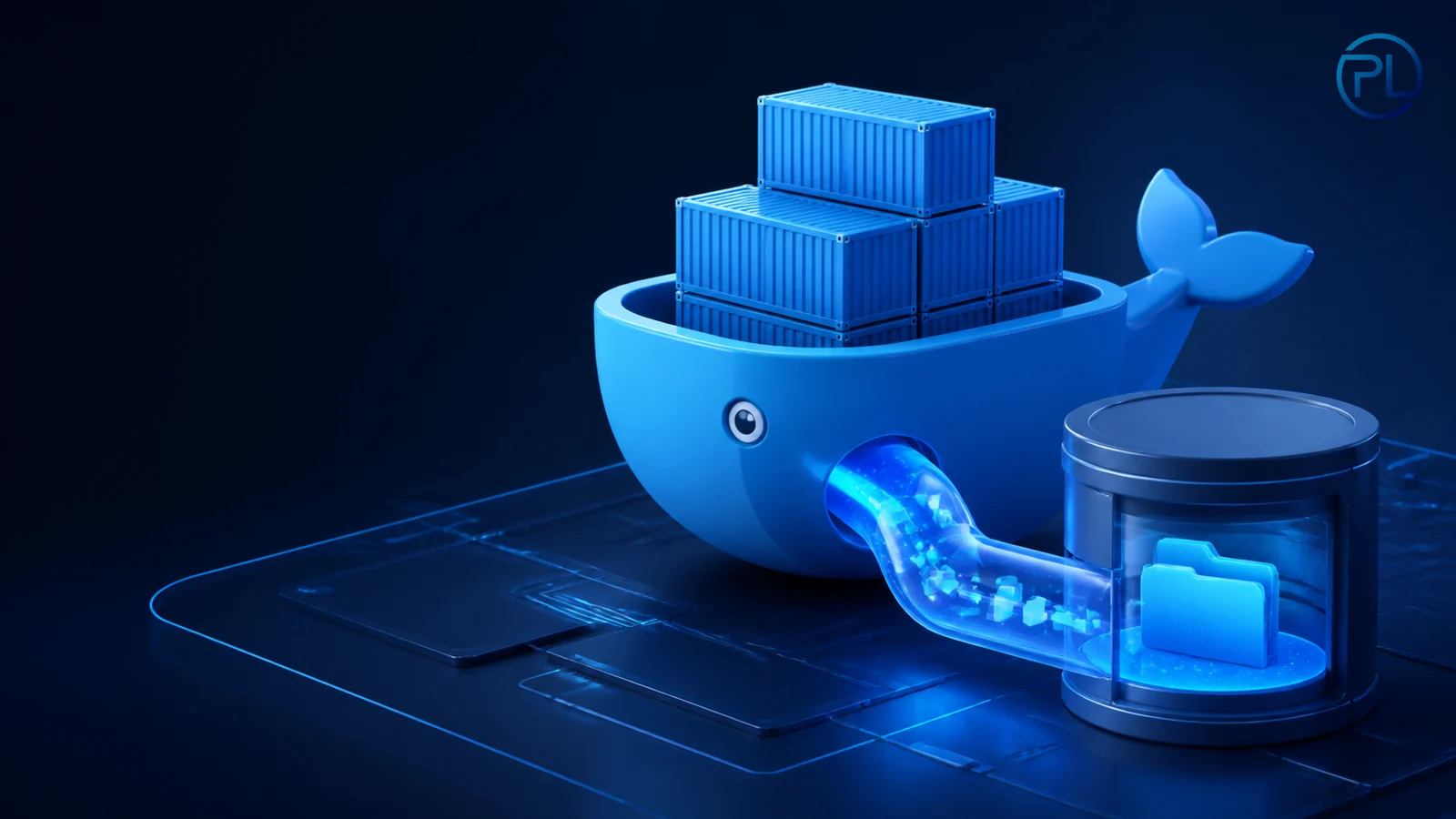
Docker Volumes: Persisting Data
By default, data inside a container is not persisted — delete the container and the data is gone. Volumes solve...
Other difficulty levels
Choose the level that suits you
Advanced level
Complex techniques and concepts for experienced developers
Keep developing
Study materials of different levels and gradually improve your skills